Protecting the Living Waters of the Channel Islands from Marine Debris

Posted

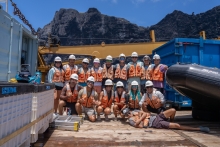
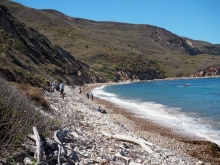
Channel Islands National Park and Channel Islands National Marine Sanctuary protect some of California’s richest coastal and marine habitats. Keeping these remote islands and surrounding waters free of marine debris requires extensive collaboration among volunteers, conservation organizations, and local lobster fishers who help recover debris from difficult-to-access shorelines. With support from a 2023 award from the NOAA Marine Debris Program, the National Marine Sanctuary Foundation is working with Santa Barbara Channelkeeper, Island Packers, Commercial Fishermen of Santa Barbara, California State University Channel Islands Santa Rosa Island Research Station, and other regional groups to remove large and hard-to-reach marine debris from the Channel Islands. Volunteer cleanup crews have removed over 18,168 pounds of large debris, including lost fishing gear, from the islands so far. More than 150 volunteers have contributed to over 10 cleanups across Santa Rosa, Santa Cruz, and Anacapa Islands.

Many Hands Make Light Work: 20 Years of Working Together for a Debris-Free Future

Posted

Twenty years ago, the NOAA Marine Debris Program was established as the U.S. Government’s lead to reduce and prevent the adverse impacts of marine debris on our ocean and Great Lakes. Jason Philibotte, Director of the NOAA Marine Debris Program, reflects on the experiences that inspired his commitment to addressing marine debris and the partnerships that advanced solutions over the past 20 years. He looks back on the program's accomplishments, shares lessons learned from witnessing marine debris impacts firsthand, and considers the work still ahead.

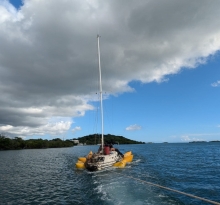
Keeping Puget Sound Clean: 29 Abandoned Boats Removed, Deconstructed, and Recycled

Posted

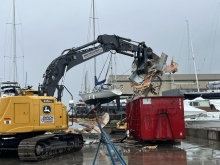
The Washington Department of Natural Resources, with 2024 funding from the National Oceanic and Atmospheric Administration Marine Debris Program, is removing derelict vessels from the Puget Sound and supporting the prevention of boat abandonment through their voluntary Vessel Turn-In Program. This program provides Washington boat owners with an alternative to abandonment, helping to prevent derelict vessels and associated pollutants from harming state aquatic lands. Focusing on early intervention and empowering boat owners to dispose of unwanted vessels responsibly prevents costly removals later.

A Day in the Life of a Marine Debris Technician in Papahānaumokuākea

Posted

With support from the National Fish and Wildlife Foundation, NOAA Marine Debris Program, private donors, and small grant foundations, the Papahānaumokuākea Marine Debris Project (PMDP) continues the legacy large-scale marine debris removal efforts to protect the wildlife and habitats of Papahānaumokuākea. We interviewed PMDP Field Logistics Specialist Lauren Fraser and Lead Marine Debris Technician Max Lee to learn more about their unique and important work. They shared insights on the challenges of removing nets underwater, the protocols and considerations that guide their work in such a culturally significant space, and all of the late-night work that goes into making these missions a success. 

Celebrate Earth Day with the NOAA Marine Debris Program

Posted

Earth Day is celebrated annually on April 22. It is a day dedicated to showing support for the planet Earth and celebrating those who work to protect it from threats like marine debris. Anything human-made and solid can become marine debris once lost or littered in these aquatic environments. Our trash has been found in every corner of our ocean, from the most remote shorelines, to ice in the Arctic, and even the deepest parts of the sea floor. The NOAA Marine Debris Program works around the United States to investigate and prevent impacts of marine debris to benefit the environment, the economy, and navigational safety. Protecting planet Earth is a team effort!

Tags

Extracting Sunken Vessels and Creating Safer Waters in Puerto Rico

Posted

With support through a 2023 award from the NOAA Marine Debris Program, Isla Mar Research Expeditions, LLC., and partners from the Puerto Rico Department of Natural and Environmental Resources and HJR Reefscaping are removing abandoned and derelict vessels from the waters surrounding Puerto Rico. The 18 vessels removed so far weigh a total of over 130,000 pounds. The project is also supporting 11 jobs, and four new jobs were created. This cleanup effort makes Puerto Rico’s waters and beaches safer for boaters, fishers, and recreational users.

From Discarded Line to Silver Lining: One Sea Turtle’s Survival Story

Posted

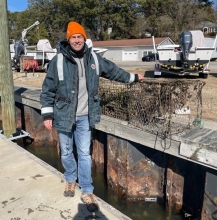
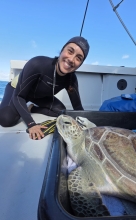
In summer 2025 in southern Biscayne Bay, efforts to remove lost fishing gear led to an unexpected rescue and a second chance for an endangered green sea turtle. With support from a 2023 award from the NOAA Marine Debris Program, the College of William and Mary’s Batten School and the Virginia Institute of Marine Science National TRAP Program, in partnership with the University of Florida Institute for Food and Agricultural Services Extension Miami-Dade County Sea Grant Program, led a team to remove abandoned and derelict traps used to catch blue crab, stone crab, and spiny lobster from Biscayne National Park.

A New Era of Trash Talk? Florida Universities Collaborate to Address Marine Debris

Posted

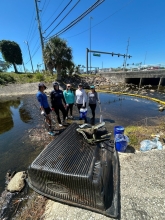
When the University of Florida’s Operation TRAP, in partnership with Florida Sea Grant, and St. Andrew and St. Joseph Bays Estuary Program hosted by Florida State University, each independently received NOAA Marine Debris Program funding to remove marine debris (in 2023 and 2024, respectively), the question became not who would win—but how they would work together. To address the threat of urban trash clogging their waterways, both universities are implementing proven interception technologies in their respective communities.