An official website of the United States government.
The National Oceanic and Atmospheric Administration Marine Debris Program is the United States Government’s lead for addressing the impacts of marine debris on our ocean, waterways, and Great Lakes. We work with organizations around the United States and globally to prevent marine debris from entering the environment, remove it from coastal areas, better understand the problem through research and shoreline monitoring, and respond to debris created by disasters. Learn more about the Marine Debris Program here.











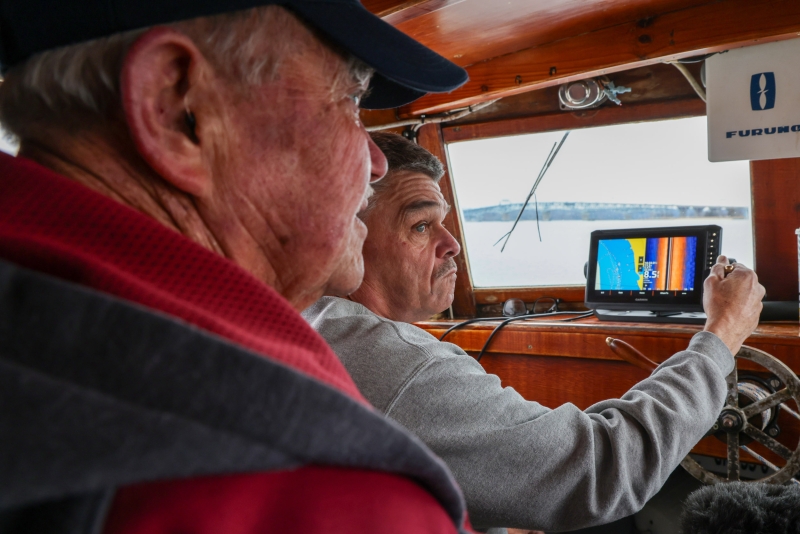
How Removing Lost Crab Traps Is Helping Map the Chesapeake Bay
A partnership between NOAA, William & Mary's VIMS & Batten School, and Chesapeake Bay crabbers is transforming routine vessel activity, including crab trap removal efforts, into a new source of bathymetric data. The NOAA Marine Debris Program is supporting commercial crabbers with side-scan sonar technology to locate and remove lost and abandoned crab traps. Data collected during those recovery efforts is now helping researchers map and better understand the Chesapeake Bay.
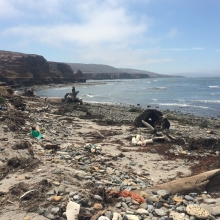
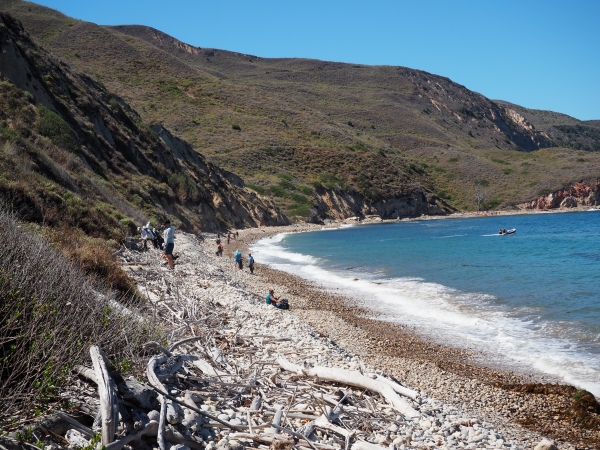 Protecting the Living Waters of the Channel Islands from Marine Debris
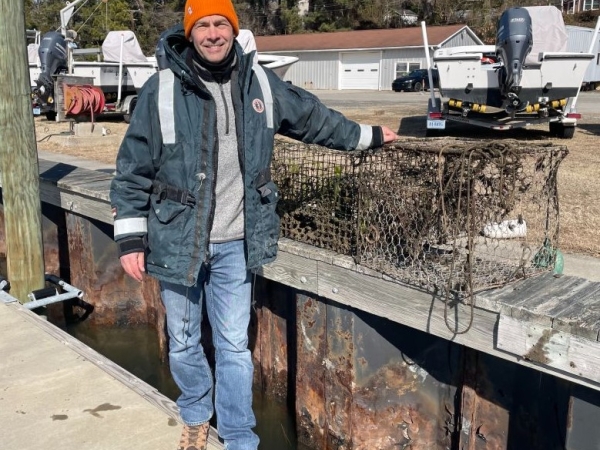 Many Hands Make Light Work: 20 Years of Working Together for a Debris-Free Future
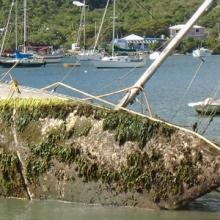
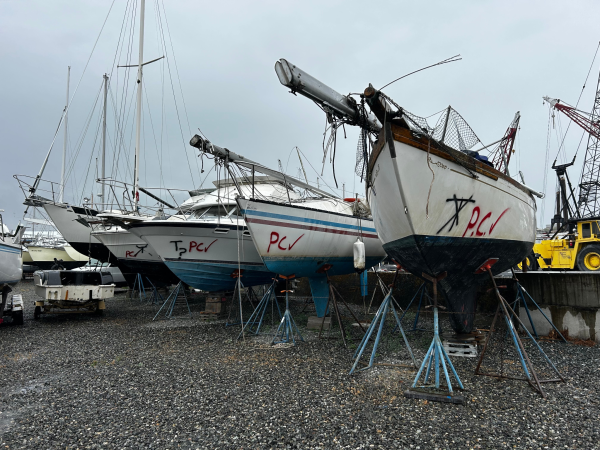 Keeping Puget Sound Clean: 29 Abandoned Boats Removed, Deconstructed, and Recycled
In this section, you can find state or region-specific information on current marine debris projects and activities. Marine debris impacts every U.S. coastal state and territory. In order to address it, the NOAA Marine Debris Program positions coordinators around the country to provide local expertise and guidance to marine debris stakeholders.